
In the small village of Kambos, nestled in the hills of Crete, a centuries-old olive tree stood behind the Papadakis home. Yiayia Eleni claimed it was planted by her grandfather during the Ottoman occupation, though no one had ever verified it. The tree was more than a tree—it was family.
Eleni, now 87, sat in its shade every morning with her embroidery and a cup of sweet Greek coffee. Her granddaughter, Lydia, visiting from New York after ten years away, found the ritual both charming and oppressive. Lydia, 28, a UX designer who lived for her startup’s metrics, had little patience for the slow rhythms of village life or the clingy weight of tradition.
One morning, as cicadas buzzed like static in the distance, Eleni looked up from her needlework.

“You don’t remember, but you used to climb this tree every summer,” she said. “Like a monkey, your grandfather would say.”
Lydia gave a half-smile, scrolling through her phone. “I was a kid, Yiayia. I barely remember being here.”
“You remember more than you think. The roots go deep, even if you don’t see them.”
Lydia sighed, “I get it. Tradition. Roots. But I live in a world that changes every three months. If I don’t adapt, I disappear.”
Eleni nodded slowly, sipping her coffee. “You think this tree survived hundreds of years without adapting? Look at its bark. Scarred from storms, cut back in droughts. But always growing.”
Later that week, Lydia joined Eleni to prune the olive tree. As they worked, stories flowed—of wartime famine, of hidden romances, of broken dreams and rebuilt lives. Lydia found herself listening more than speaking. She began to recognize something in her grandmother’s tone—a quiet resilience not unlike her own.
On her last day, Lydia sat under the olive tree alone, sketching a new app concept—not one for startups or subscriptions, but one that mapped family trees with stories, sounds, and smells attached. She called it “Roots.”
Before she left, Eleni pressed a small pouch into her hand. Inside was a pendant carved from olive wood. “For strength,” she said.
As the taxi pulled away, Lydia looked back once. Eleni waved, framed by the gnarled old tree—both of them smaller in the distance, but somehow larger than ever.
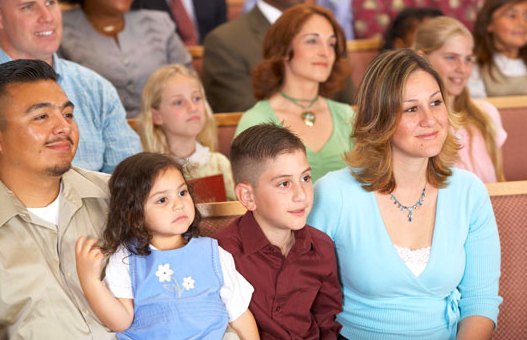
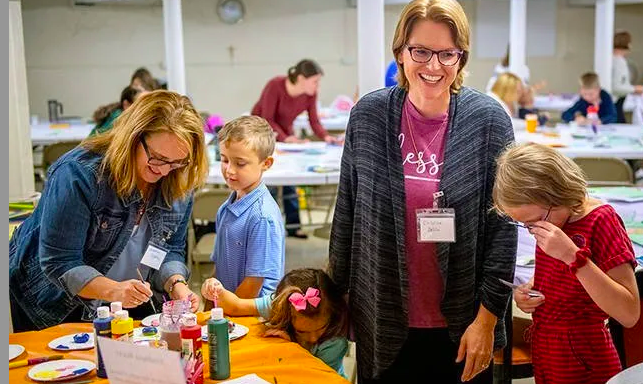
Let’s apply this story to congregational life and community. Even when there is a strong sense that there is great intergenerational dynamics happening, there might still be something missing. There are groups for each separate age group, but nothing that would put them together at the same time except for maybe summer VBS or children’s church on a Sunday. This is the time that most ages get a chance to serve together. There is room for improvement. Mentor programs and classes with all ages able to connect and learn together about the Christian world and the way it’s moving and shaping.
Faith formation happens when we are able to work with one another and take in the knowledge and experience of those that have gone before and those that are coming up in the younger generations. We must learn and listen from one another. “Faith is being reinforced in its recurring performances and through both the spontaneous and intentional conversations springing up in the midst of the ordinary (and extraordinary) events of community life where the meanings and stories of these performance are told and retold for the benefit of all.”[1]
Here are some examples of Communal Faith Formation that would be a great place to start:
1. Worship Together
2. Learn together
3. Mentor One Another

How would you go about adding more communal faith formation into your communities?
[1] Fred P. Edie and Mark A. Lamport. Nurturing Faith: A Practical Theology of Educating Christians. (Grand Rapids, MI. Wm.B.Eerdmans Publishing, CO. 2021). P. 11
 Reflections
Leave a comment